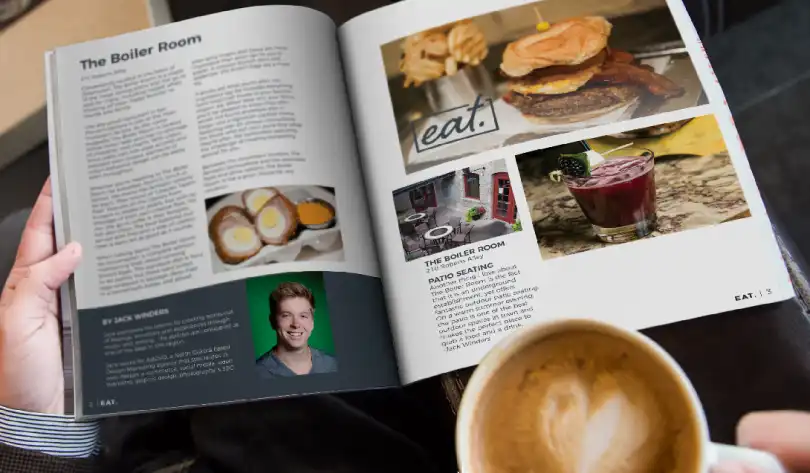
As you prepare to create new or refresh your brand’s current printed collateral, understanding your options can streamline the process and enhance the outcome. This design printing guide comprehensively covers everything from paper sizes and fold types to binding methods, giving you a clear vision of the possibilities. This is particularly beneficial if you’re working on a project with Team Abovo.
Common Flat Paper Sizes
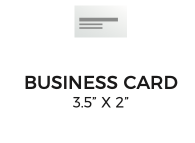
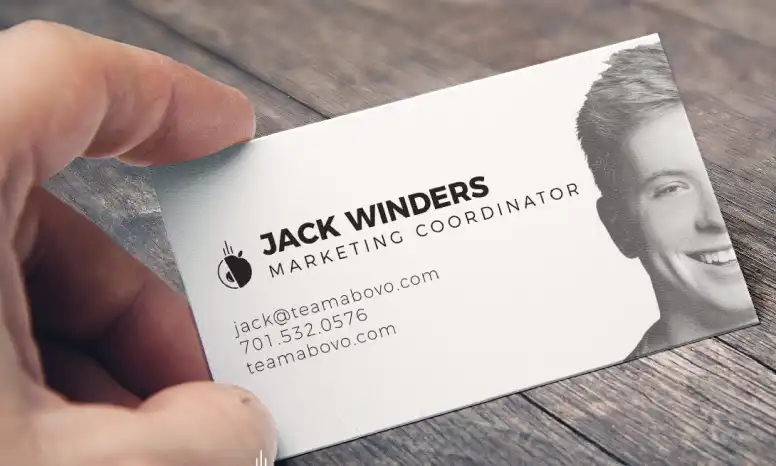
Business Cards
Typically 3.5″ x 2″ – A staple in professional networking.
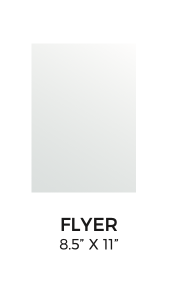
Flyers
Options range from the compact 2.9″ x 4.1″ (A7) to the more noticeable 8.5″ x 11″.
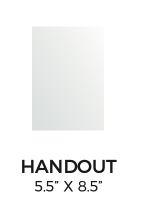
Handouts
Typically 5.5″ x 8.5″ or Letter size (8.5″ x 11″), used for event information or quick reference materials.
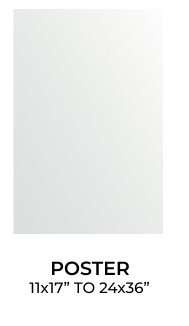
Posters
Common sizes include 12×18, 18×24, 19×27 or 24×36 – perfect for detailed graphics with visibility.
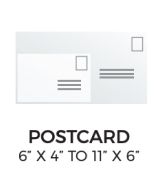
Post Cards
Common sizes include 4×6″and 5×7.” Perfect for direct mail campaigns, promotional handouts or event invitations. These sizes are ideal for catching the eye without overwhelming, offering just enough space for key messaging.
Fold Types and Typical Uses
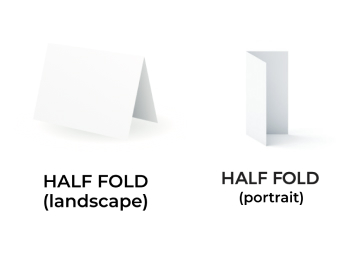
Half Fold (Landscape and Portrait)
Often used for simple menus, standard brochures and thank you/greeting cards.
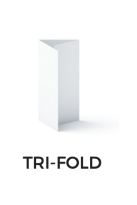
Tri-Fold
Ideal for event brochures, providing ample space for segmented information.
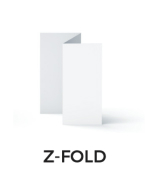
Z-Fold
Excellent for step-by-step guides or mail campaigns, as it unfolds in a way that guides the reader through the content.
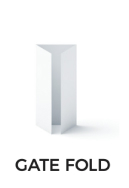
Gate Fold
Used in high-end marketing materials or large presentations; the central panel is revealed dramatically as the two side panels open outwards.
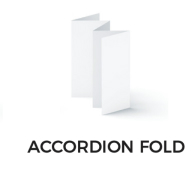
Accordion Fold
Similar to the Z-fold but with more panels, making it suitable for timelines or event programs.
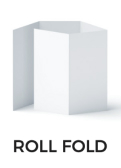
Roll Fold
Commonly used for informational leaflets, offering a sequential reveal of information.
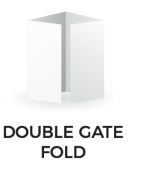
Double Gate Fold
Adds an extra layer of opening to a standard gate fold, often utilized in product launches or impactful advertising.
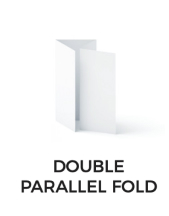
Double Parallel Fold
This fold divides the sheet into four panels, back and forth; great for maps or more extensive brochures.
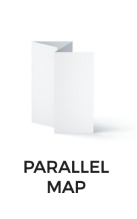
Parallel Map Fold
Used for larger sheets needing compact folding, ideal for tourist or city maps.
Reverse Map Fold
A variation of the map fold where the final unfolded piece offers a surprise reveal, often used in creative marketing pieces.
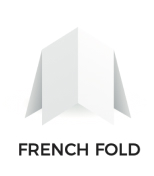
French Fold
First
folded in half horizontally and then vertically to form a four-page brochure, often used for invitations or announcements.
Binding Options and When to Use Them
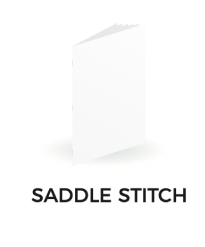
Saddle Stitch
Most commonly used for small booklets and catalogs. Simple and cost-effective.
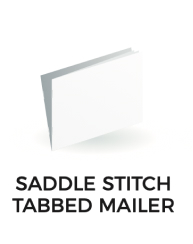
Saddle Stitch Tabbed Mailer
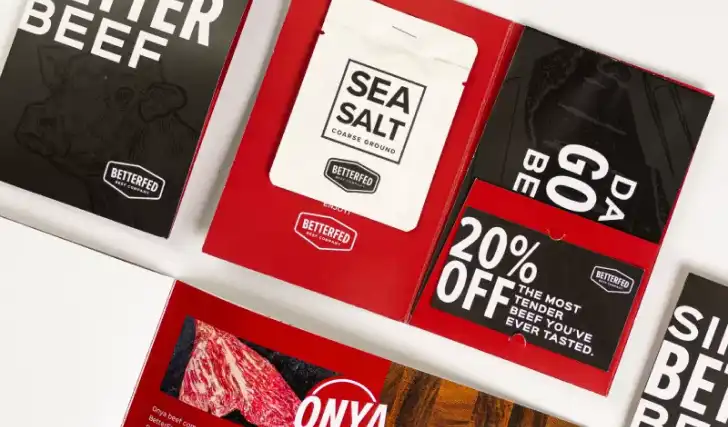
A variation of saddle stitching with tabs for easy mailing, perfect for direct mail campaigns.
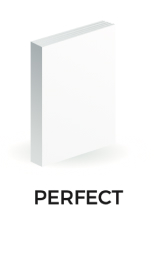
Perfect Binding
Gives a clean, professional look with a flat spine, with documents between 40-400 pages. Used for magazines, catalogs and thicker reports.
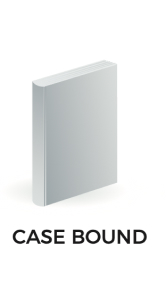
Case Bound
The go-to for premium books or high-quality company portfolios, providing durability and a classic book feel.
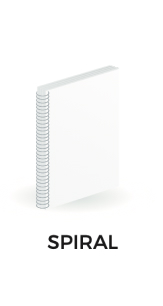
Spiral Binding
Allows pages to lay flat when open; ideal for workbooks, manuals, or recipe books.
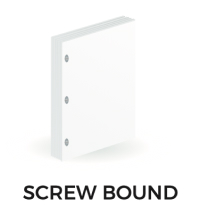
Screw Bound
Offers a unique, industrial look and the ability to easily add or remove pages; suitable for swatch books or design portfolios.
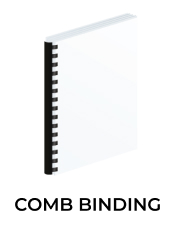
Comb Binding
Similar to spiral but uses a plastic comb; great for reports or proposals that need frequent page updating.
Additional Tips
When deciding on the format for your printed piece, consider the purpose of the content, the audience’s needs, and how the piece will be distributed. Each fold and binding type not only adds aesthetic value but also functionality to your printed materials.